


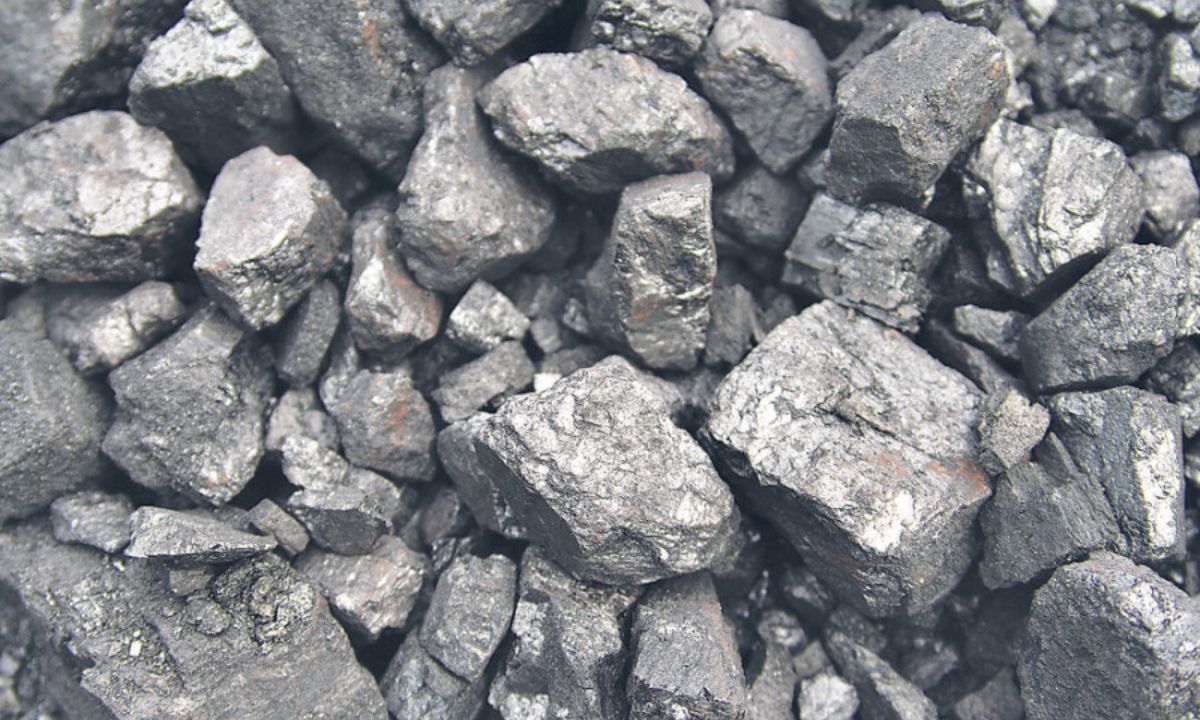
A massive iron mine in western Nepal’s hills has become the center of a heated debate. The Dhaulagiri iron mine, considered the largest in the country with an estimated 100 million tons of iron ore, is now causing tension between local communities, the government, and the mining company. Concerns are rising over the impact of mining on the environment, local livelihoods, and cultural sites.
Economic Potential
The mine sits on the border of Baglung and Myagdi districts. Experts say it could boost Nepal’s industrial growth, support the local steel industry, and reduce reliance on imports. It could also create jobs and strengthen the economy.
Yet, people have mixed feelings. Some see it as a chance for prosperity, while others worry about the environmental and social risks.
Local Concerns
Residents fear mining could harm their land, water, and forests. Dust and pollution from mining might reduce crop yields and damage farmland.
One villager said, “Our water sources could dry up, and farming will suffer. Promises of jobs and growth mean nothing if our environment and culture are destroyed.”
Locals also complain that their voices are not being heard. They say the mining company and government have ignored their concerns.
Cultural and Environmental Risks
The Dhaulagiri area is rich in cultural and natural heritage, including temples, pilgrimage sites, and archaeological spots. Locals worry that mining could damage these landmarks. Environmentalists warn that rare plants and animals in the area may also be affected.
“This region’s biodiversity and cultural value must be protected,” an environmental activist said. “Mining could upset the ecological balance for years to come.”
Government and Company Standpoint
The government and the mining company see the project as a path to economic growth. They promise jobs, better infrastructure, and community investments.
However, locals remain skeptical, citing past mining projects in Nepal that caused environmental damage and social unrest.
Seeking a Solution
Experts say dialogue between the government, company, and local communities is crucial. Before mining starts, detailed environmental and social impact assessments should be done. Local participation and transparency must be ensured.
A local leader said, “We are not against development, but it should not come at the cost of our land, culture, and environment. We want our voices heard and concerns addressed.”
The Dhaulagiri iron mine highlights the delicate balance between development and conservation in Nepal. While it offers economic opportunities, ignoring social and environmental costs could cause long-term harm. Cooperation between all stakeholders is essential to ensure benefits for everyone.

what iron taste like ?