



The Nepal Stock Exchange (NEPSE) is rapidly growing, with a market capitalization exceeding NPR 442,000 crore. But with over 400 listed companies across 16 sectors, how do you pick the “best” one? The answer isn’t a single stock, but a strategy rooted in smart research, solid fundamentals, and understanding Nepal’s unique market dynamics.
This article breaks down the most recommended sectors, trending stocks, valuation methods, and red flags to help you confidently invest in Nepal’s share market.
1. Understanding Nepal’s Market Landscape

NEPSE operates in an emerging economy with distinct characteristics:
- Government-led regulation (SEBON)
- Heavy influence of retail traders
- Liquidity driven largely by credit
- Vulnerability to political shifts, remittance flows, and global downturns
As such, you need to blend fundamental, technical, and macroeconomic analysis—not just chase “hot tips.”
2. Valuation 101: How to Spot a Good Share

Financial Metrics to Watch:
- EPS (Earnings Per Share): Higher EPS = higher potential price.
- P/E Ratio (Price to Earnings): A high ratio can mean growth, but watch for overvaluation.
- Book Value per Share: Helps assess asset strength.
- ROE (Return on Equity): A sign of profitability.
- Firm Size: Bigger firms offer more stability.
Macroeconomic Triggers:
- Lower interest rates: Boost borrowing and business profits.
- Inflation: Stocks act as a hedge.
- GDP Growth: Attracts more investment.
- Government budgets: Sector-specific incentives (e.g., for hydropower or tourism).
3. Top Performing Sectors in NEPSE (2025)
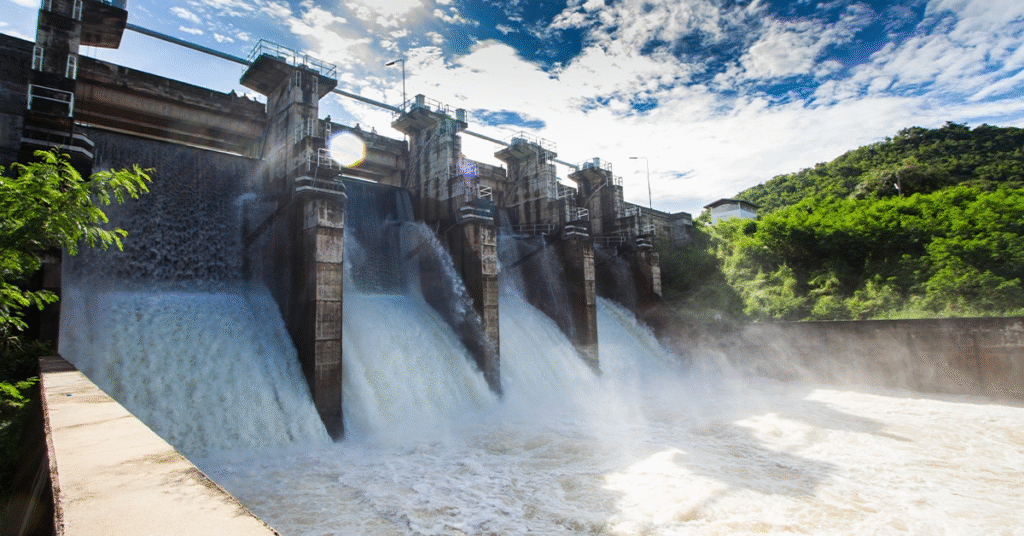
Hydro Power leads with over NPR 4.3 billion in turnover.
Investment and Commercial Banks follow closely.
These sectors are driven by infrastructure expansion, favorable government policy, and strong institutional interest.
4. Trending Stocks You Should Watch (2025)
| Company | Sector | Market Cap (in Cr.) |
|---|---|---|
| Sanima Bank (SANIMA) | Commercial Bank | 4,316 |
| Butwal Power Co. (BPCL) | Hydro Power | 2,865 |
| Chhimek Laghubitta (CBBL) | Microfinance | 2,835 |
| NRN Infrastructure (NRN) | Investment | 2,585 |
| Ghorahi Cement (GCIL) | Manufacturing | 2,263 |
These companies show strong earnings, diversified growth, and solid fundamentals.
5. Red Flags to Watch Out For

While some shares might appear popular, many are artificially inflated:
- Companies with EPS below Rs. 1 trading above Rs. 300? That’s a red flag.
- Insider trading, price manipulation, and lack of proper KYC protocols are common in NEPSE.
Avoid companies with:
- Repeated losses in financial reports
- Low floating shares and high volatility
- Poor governance and non-transparent operations
6. Expert Tips to Choose the Best Shares in Nepal

Look beyond price—check profit growth, book value, ROE, and dividend policies
Diversify across top-performing sectors (not just banks)
Use technical tools like RSI, MACD, and Bollinger Bands for short-term entries
Watch economic indicators: NRB policies, inflation, interest rate, and GDP updates
Stay updated on SEBON regulations and government reforms
So, Which Shares Are “Best”?
There’s no universal answer—but based on 2025 data, stocks like Sanima Bank (SANIMA), Butwal Power (BPCL), and Chhimek Laghubitta (CBBL) stand out for their financial health, market momentum, and future potential.
However, even the best stock can be a bad investment if your entry point or expectations are wrong. In Nepal’s emerging market, due diligence is your superpower.
Bonus Tip

Invest Smart, Not Just Fast
The Nepal share market offers real potential, but it comes with its own risks. If you blend financial insights with market awareness, use the right tools, and maintain a long-term view, you won’t just buy the best shares—you’ll become the best kind of investor.
