


A new government study has found that many public institutions in Nepal are giving salaries and benefits in an uncontrolled way. These benefits are being provided even when some institutions are not financially strong.
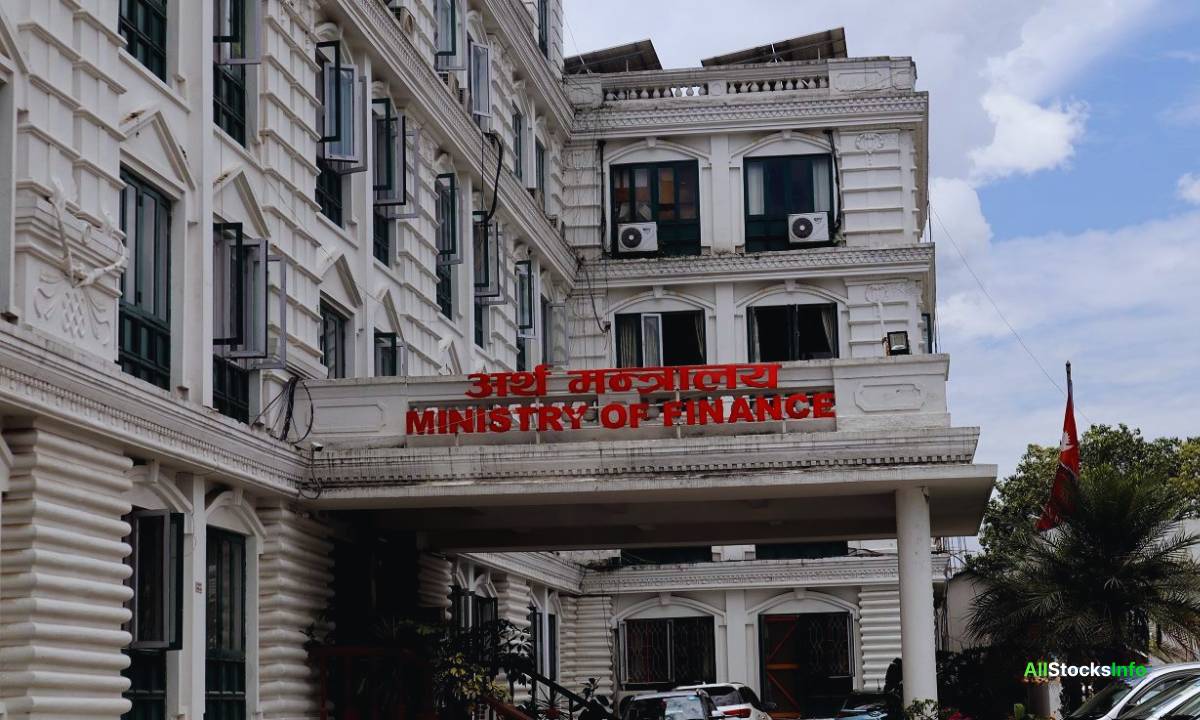
The study was done by a task force formed by the finance ministry. The government had promised in the budget for fiscal year 2082/83 to create a committee to make the benefit system uniform. The task force has now recommended ending this unmanaged system and creating clear and fair rules.
At present, 34,951 employees work in public institutions in Nepal. Thousands more work in boards, committees, and other state-funded bodies. The report says that administrative costs and employee benefits keep increasing every year, which creates more pressure on the national budget.
The study found that some institutions give high benefits even when they are weak financially. It also found that there are 41 different types of allowances being given. These benefits were introduced without proper study, which has increased long-term financial burden. Some institutions even take loans or grants from the government just to pay salaries.
The task force studied 60 institutions. It collected detailed information on the benefits given to employees. It found that the employees provident fund gives the highest average annual income to its staff. An employee there earns an average of Rs 22.22 lakh per year. Employees of the civil aviation authority earn an average of Rs 20.62 lakh each year. Employees of Nepal Rastra Bank earn an average of Rs 18.38 lakh a year. Staff at the Nepal academy of tourism and hotel management earn around Rs 17.02 lakh yearly.
There are 12 institutions where employees earn more than Rs 15 lakh a year. Staff at rashtriya beema company earn Rs 16.45 lakh and those at national insurance company earn Rs 16.43 lakh. Employees at rashtriya banijya bank earn Rs 15.78 lakh. Staff at the securities board earn Rs 15.76 lakh. Employees at HIDCL earn Rs 15.72 lakh. Staff at the citizen investment trust earn Rs 15.40 lakh a year.
The report also notes that many extra benefits were not included in these amounts. These include different funds, insurance support, and interest subsidies for buying houses or vehicles. If these are added, the actual cost to the state may be even higher.
The study found that some institutions give benefits through sudden decisions and do not make these decisions public. Out of 46 institutions studied, only 38 were making profit.
What major problems were found?
The study found no uniform rules for benefits. From top officials to junior employees, perks vary widely.
Many boards decide allowances based on their own wishes.
Among 48 institutions studied:
• 8 follow government-set meeting allowances
• 11 follow AGM decisions
• 4 follow government standards
• 5 follow set guidelines
• 9 let the board decide
• 6 follow their own rules
This creates a messy and unequal system.
Most institutions give different types of allowances such as risk, housing, telephone, station, regulation, production, and incentive allowances. Many of these allowances are not reported to the finance ministry.
Different retirement systems
Only 21 institutions use a contribution-based provident fund and pension system.
Very few use performance-based incentives.
Some give anniversary bonuses equal to one month’s salary, while others offer 15–35% bonuses.
Twenty-eight institutions have welfare funds where they deposit two to five months’ salary every year.
Most institutions also give low-interest loans to employees. These loans are given for building houses, buying land, buying vehicles, or for social events. The interest rate is between 1 and 5 percent. Some institutions also give free or discounted air tickets, electricity, drinking water, fuel, food items, and telephone services. A few institutions even give shares, although the legal basis for this is unclear.
Meeting allowances are also high. Nepal rastra bank and Nepal electricity authority pay Rs 9,000 per meeting. Two institutions pay Rs 8,000, one pays Rs 7,500, and four pay Rs 7,000 per meeting.
Who are the top earners?
Rastriya Banijya Bank’s chief earns the highest monthly pay, Rs 4.5 lakh.
The heads of Agriculture Development Bank and Nepal Bank Limited earn Rs 4 lakh each.
The chief of Nepal Tourism Board earns Rs 3.91 lakh monthly.
For officer-level staff, 17 institutions pay less than Rs 50,000 per month, 25 institutions pay Rs 50,000 to Rs 75,000, and 7 pay above that.
The study says the main cause of the problem is that every institution makes its own rules. There is no single law to guide salary and benefit decisions. This has allowed misuse to grow. Lack of monitoring and pressure from employee unions have also added to the problem.
The task force has made several recommendations. It says the finance ministry should have clear authority. All decisions on salaries, allowances, and retirement benefits should require approval from the finance ministry. It recommends that all public institutions follow the same rulebook. It also suggests classifying institutions and setting different salary packages for each group.
Institutions that depend on government grants or that are running at a loss should not be allowed to offer higher benefits than civil servants. The task force suggests using performance-based incentives. It says salaries and allowances of top officials should be decided by the cabinet. Changing benefits should require approval from the finance ministry.
It recommends creating separate salary structures for specialized jobs like doctors, nurses, pilots, actuaries, and chartered accountants. It also suggests making social security contribution-based, creating a mandatory retirement fund, and removing unclear funds. It says all non-monetary benefits should be stopped. It also says that non-operating profit should not be used to pay bonuses. Boards and employees should not be allowed to decide their own benefits.
The task force recommends reviewing staff positions. It says all institutions should publish details of salaries and benefits on their websites. They should also submit annual salary reports to the finance ministry. It suggests removing staff from closed institutions and giving their land and assets to local governments for protection.
